Description:
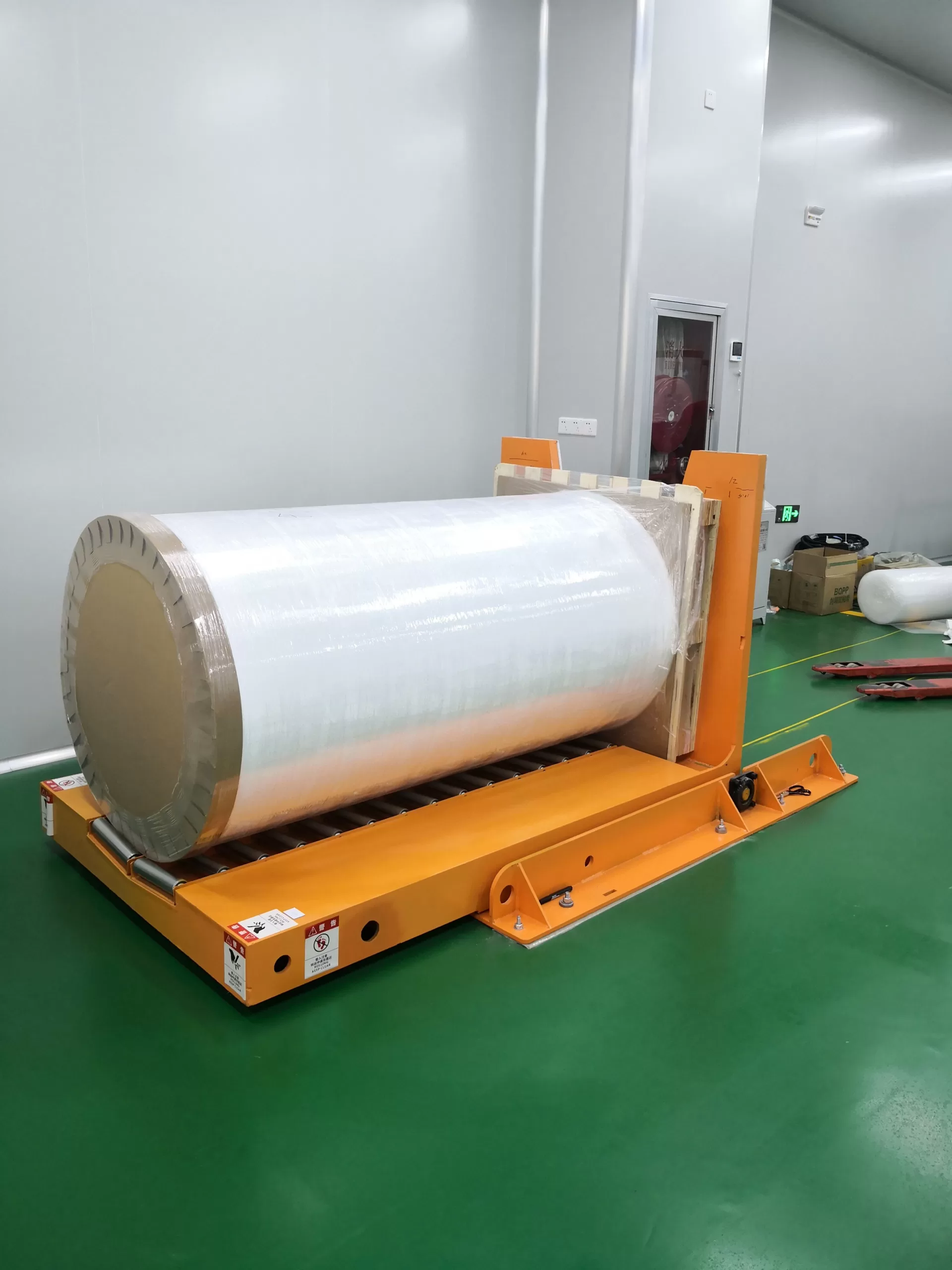
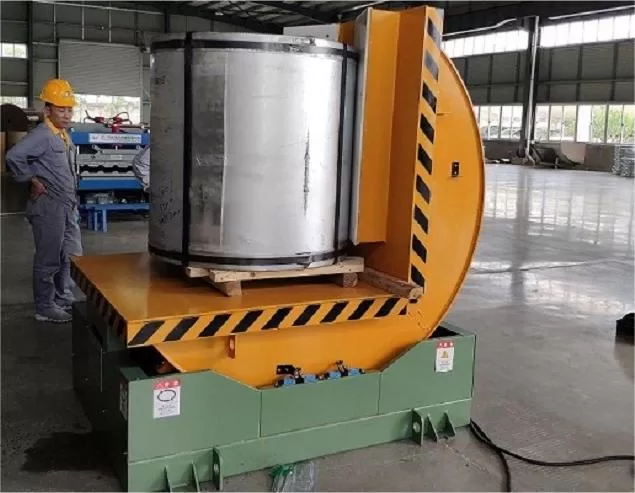
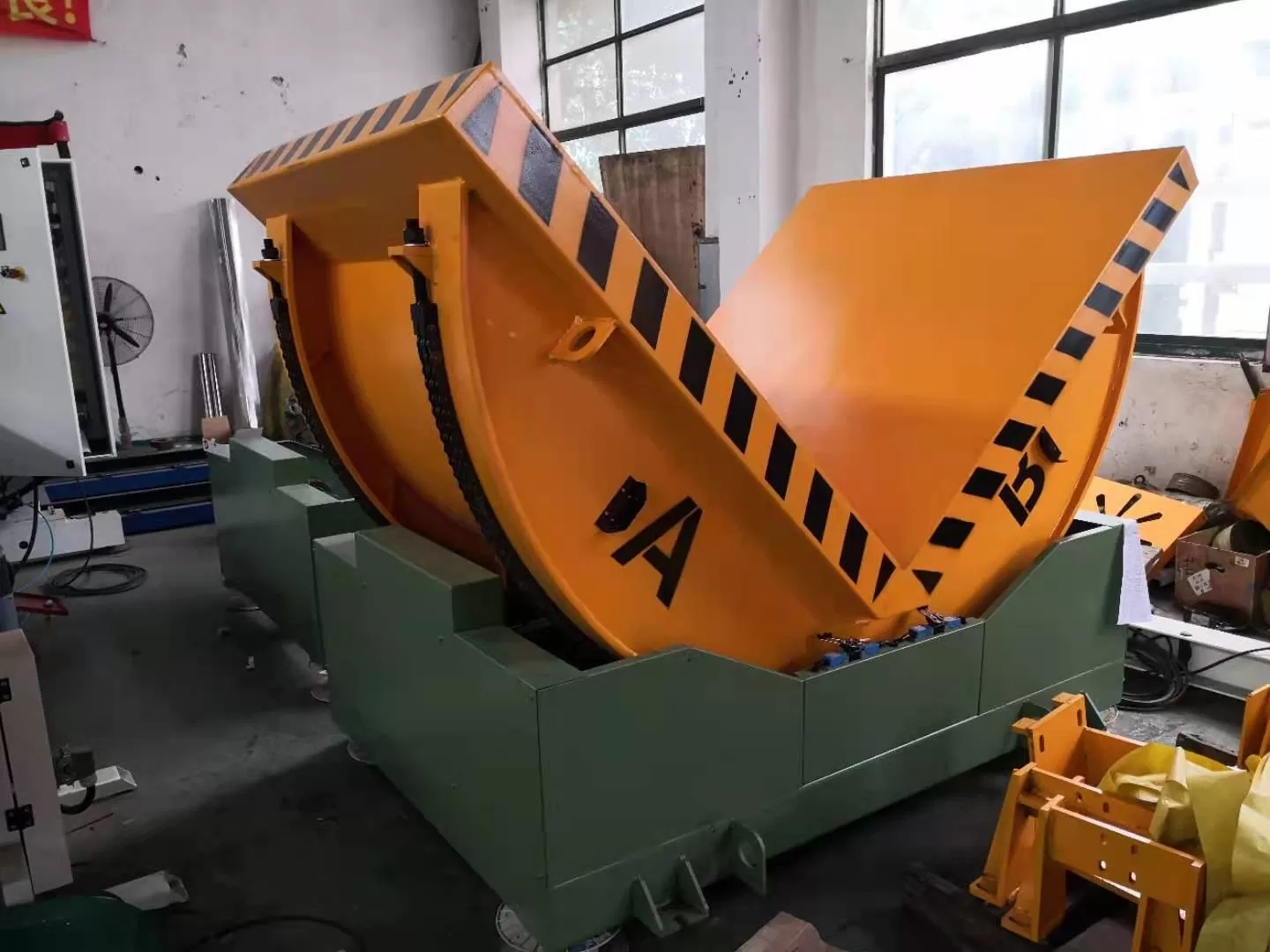
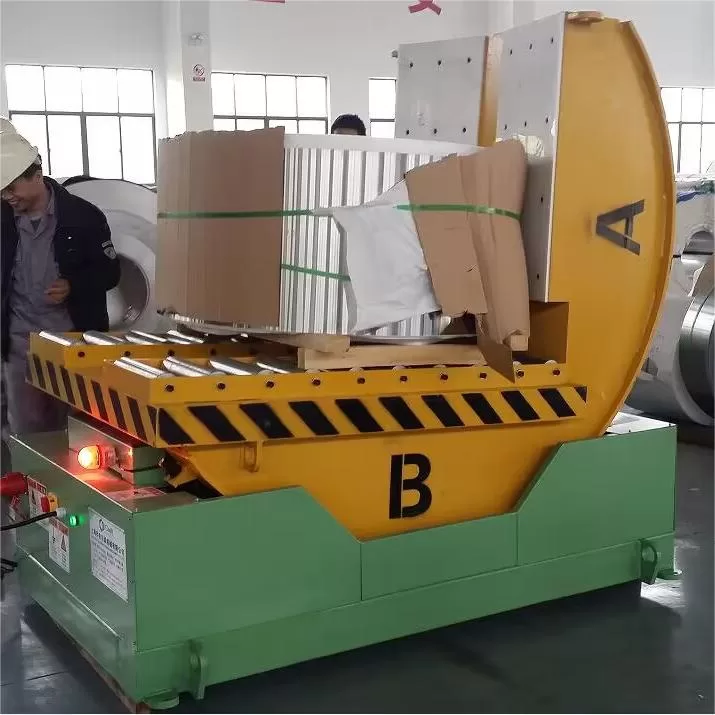
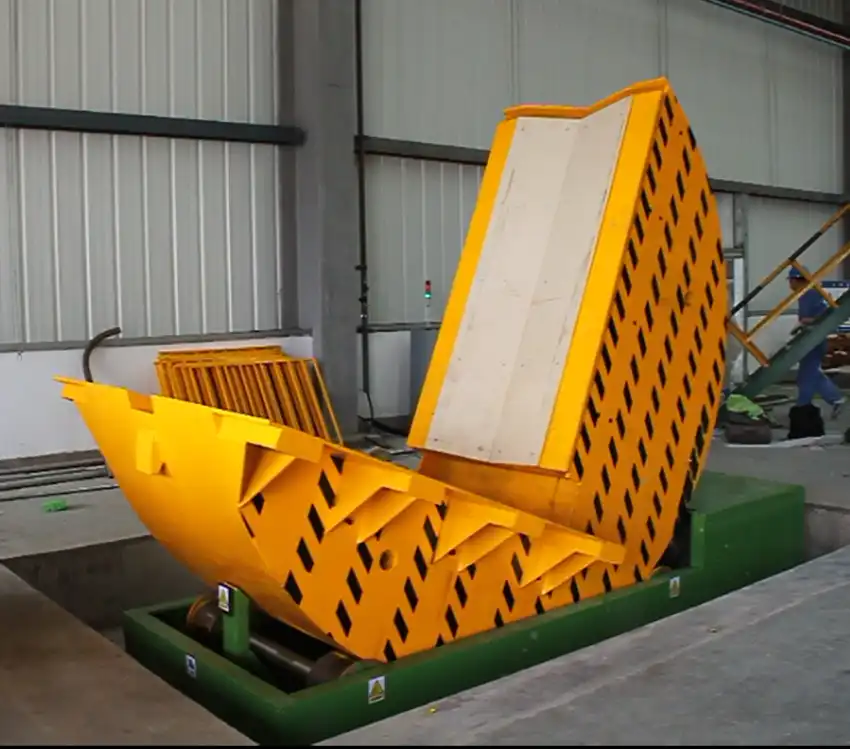
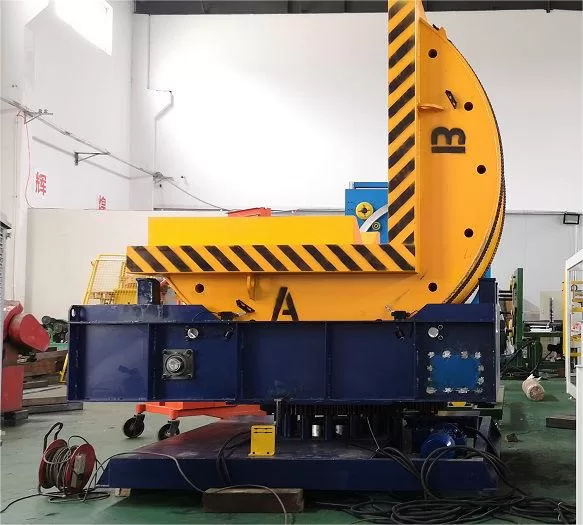
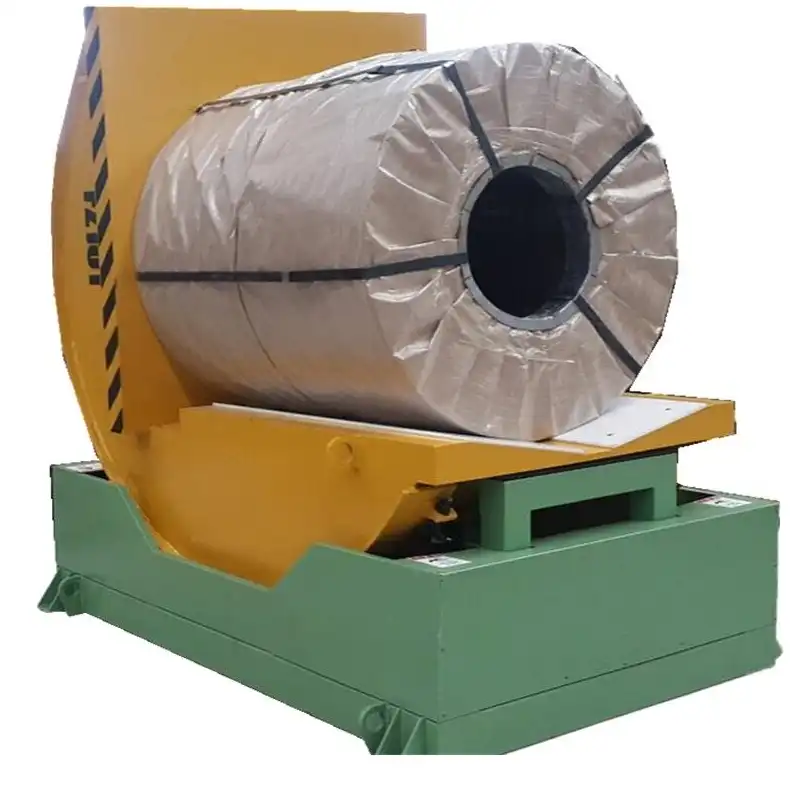
The Tilter Table is a crucial piece of equipment in industrial settings, designed to facilitate the manipulation and positioning of heavy loads by tilting them to the required angle. Widely used in manufacturing plants, assembly lines, and distribution centers, this table enhances worker safety by promoting ergonomic handling practices, thus minimizing the risk of strain and injury. It streamlines processes such as loading, unloading, and assembly, improving overall productivity and efficiency. Constructed from robust materials, the Tilter Table is built to withstand rigorous use, offering adjustable angles and load capacities to accommodate various operational needs. Its integration into workflows reduces labor costs and increases throughput in a safe, controlled manner.
Specifications:
-
Power Source: Electric, hydraulic, or pneumatic systems available depending on the specific requirements and operational environment
-
Control Mechanism: Manual controls via a hand lever or foot pedal, or automated controls through an electrical panel
-
Safety Features: Equipped with safety barriers, emergency stop buttons, and overload protection to ensure operator safety during use
-
Voltage Requirements: Compatible with standard industrial voltages, typically 110V, 220V, or 380V
-
Maintenance: Low maintenance design, with regular inspections recommended for hydraulic and electrical systems
Applicable industry:
- Metro system tracks, specifically engineered for the dynamic urban environment, are constructed from advanced, high-strength steel alloys designed to handle both the high traffic volumes and the diverse climatic conditions of city settings. These tracks maintain a standardized gauge of 1435mm but include custom adaptations in outer diameter, thickness, and width to meet the specific structural and operational needs of urban subway systems. The precision in design ensures that the tracks deliver optimal performance by minimizing the incidence of rail wear and fatigue, thereby extending their service life. A significant advantage of these tracks within metro systems is their enhanced safety profile, which supports the high-speed and frequent stop-and-go nature of urban transit. This not only improves the system's reliability but also boosts efficiency, serving as a cornerstone of sustainable urban mobility.
- Large metal plates, fundamental for constructing the base and decking of bridges, are also efficiently managed by the upender. These plates, which can weigh between 15 to 50 tons and span up to 20 meters in length, typically feature widths of 2 to 5 meters and thicknesses of 10 to 30 cm. The rotation of these plates from horizontal loading to vertical installation by the upender not only improves on-site safety by minimizing labor-intensive handling but also assures precision in alignment, critical for the bridge's structural integrity and load-bearing capacity.
- In road infrastructure projects, the Steel Plate Upender is an essential device for handling the large and heavy steel plates that form an integral part of the road base. Weighing between 2 to 10 tons and measuring as much as 8 meters in length and 3 meters in width, these plates are skillfully rotated from a horizontal transport stance to a vertical setup position by the upender. This adjustment not only lessens manual handling risks but also guarantees accurate placement, critical for the foundation's structural integrity. The streamlined installation process enabled by the upender reduces time on projects and labor costs effectively.
Main Features:
- Installation: Requires professional installation; floor anchoring recommended for stability
- Certifications: Meets relevant industrial safety standards such as ISO 9001, CE marking for European compliance
- Additional Options: Customizable with features such as roller conveyors, rubber mats for load protection, and adjustable speed settings
- Typical Use Cases: Used in manufacturing plants, assembly lines, warehouses, and distribution centers
-
Load Capacity: Can handle loads ranging from 500 kg to 10,000 kg, depending on model specifications